
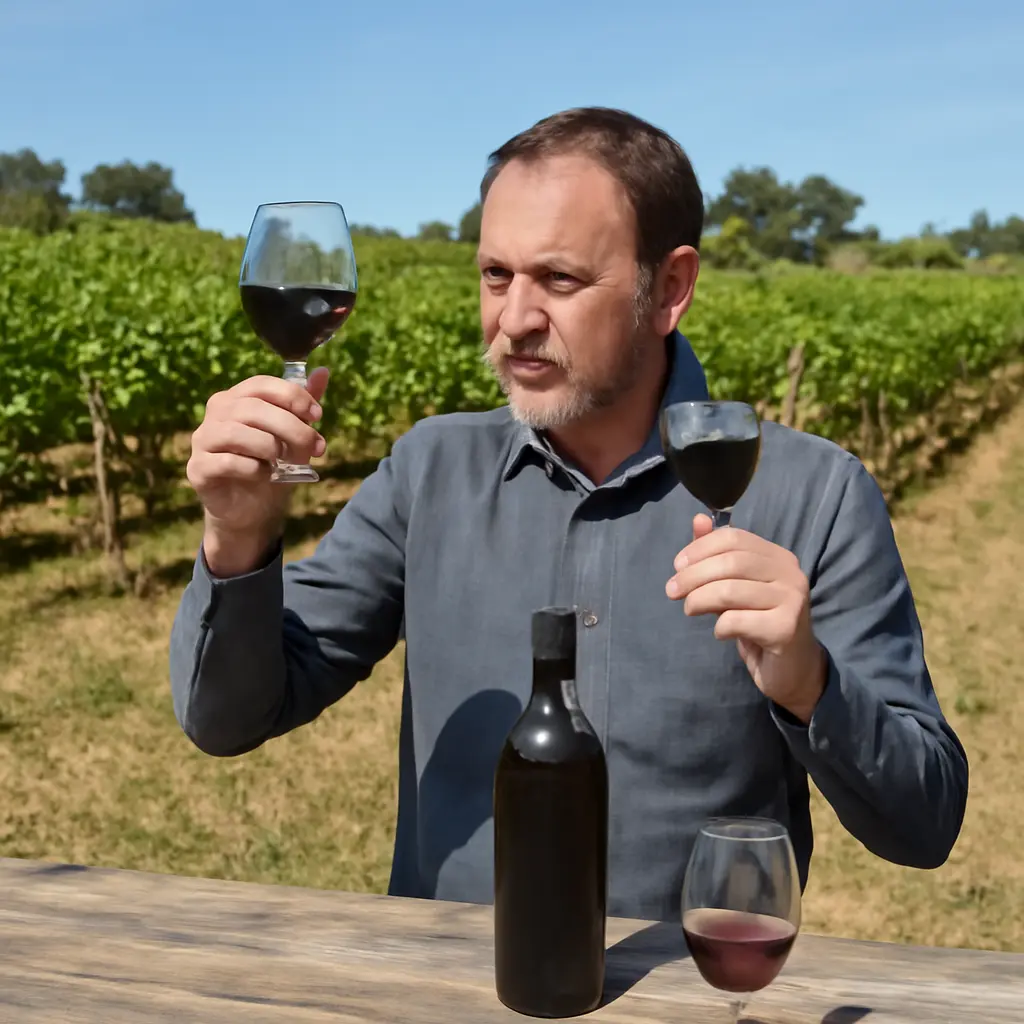
Cool-climate wines can seem lighter than their warm-climate counterparts, but lightness is not the same as thinness or immaturity. These wines often express lower alcohol, brisk acidity, restrained fruit, and site-specific aromas—qualities that can be mistaken for missing concentration when judged by expectations formed around riper styles. Understanding how climate shapes ripeness, how acidity and texture contribute to structure, and how to assess balance and development helps buyers avoid costly misjudgments. The distinction matters in a global wine market worth hundreds of billions of dollars: choosing a wine by body alone can mean overlooking bottles with complexity, food versatility, and genuine aging potential.
Cool-climate wine structure explains perceived lightness
Cool-climate wine is a descriptive category, not a single legal classification. Wine writer and educator Jancis Robinson has described climate as a major influence on grape-ripening conditions and, consequently, on the character of wine. In broad terms, cooler growing seasons often slow sugar accumulation and preserve acidity, while warmer conditions tend to encourage faster ripening and higher potential alcohol. These are tendencies, not guarantees: grape variety, vineyard exposure, soil, harvest decisions, and winemaking can alter the result.
A useful definition of “thin” is a wine that lacks sufficient flavor intensity, texture, or balance—not simply one with modest alcohol or a pale color. “Underdeveloped,” meanwhile, refers to a wine that has not yet expressed its intended character, whether because it was harvested too early, made without adequate extraction or maturation, or is still young and closed. The terms should not be used as synonyms for freshness, delicacy, or restraint.
The International Organisation of Vine and Wine (OIV) reported world wine production of about 237 million hectoliters in 2024, a historically low level associated in part with difficult weather. That figure is not a measure of cool-climate wine quality, but it underscores how strongly weather shapes the conditions in which growers work. As climate patterns shift, careful interpretation of ripeness and balance becomes increasingly important.
Acidity, alcohol, and perceived body
Acidity is the wine’s tart, mouthwatering quality; body is the impression of weight and viscosity on the palate. A wine can have high acidity and relatively low alcohol yet still carry concentrated flavor. Alcohol contributes warmth and weight, so a lower-alcohol wine may feel less broad without being dilute. The acid–sugar balance also affects perception: lively acidity can make fruit seem taut and less overtly sweet, while ripe fruit and higher alcohol can create a rounder impression.
This is why a cool-climate Riesling, Chenin Blanc, or Chardonnay should not be evaluated by the same body cues as a richer, warm-region version of the variety. Look instead for clarity of flavor, persistence, and balance. A focused finish and distinct fruit or mineral-like impressions may signal precision rather than a lack of substance.
Ripeness is not the same as concentration
Ripeness involves more than sugar. Growers also consider flavor development, seed and skin maturity in red grapes, acidity, and the risk of disease or weather damage. Picking too early can produce green, hard, or sharply acidic flavors; waiting longer can increase sugar and reduce acidity, but may also sacrifice freshness. The best harvest timing depends on the intended style and the conditions of a particular site and vintage.
Cool climates can make the ripening window narrower, but that does not automatically mean grapes are unripe. A wine may be deliberately made with restrained alcohol and bright acidity while retaining varietal character and length. Conversely, warm-climate fruit is not automatically concentrated or balanced: heat stress, drought, or excessive yields can also compromise quality.
Cool-climate wine styles reveal different forms of intensity
The broad cool-climate category includes still whites, aromatic varieties, sparkling wines, and structured reds. Their common thread is not a uniformly light flavor profile, but the potential for acidity, freshness, and site expression to play a prominent role. Considering the variety and style before judging weight helps distinguish deliberate restraint from actual lack of development.
Aromatic whites: Riesling and Sauvignon Blanc
Aromatic white wines can deliver intensity through fragrance and flavor definition rather than palate weight. German Riesling, for example, ranges from bone-dry to sweet, and its acidity can balance residual sugar. In New Zealand, Sauvignon Blanc is often associated with pronounced citrus and herbal aromas, though style varies by region and producer. Neither grape should be judged solely by alcohol level or richness: aromatic detail and a long, balanced finish are meaningful measures of presence.
When assessing these wines, note whether the fruit is clear and recognizable, whether acidity feels integrated, and whether the finish persists. A sharp, short wine with little flavor may indeed be weak; a taut wine with layered aromas and a persistent finish may simply be more restrained than expected.
Cool-climate Chardonnay and sparkling wine
Cool-region Chardonnay may emphasize citrus, orchard fruit, and acidity over tropical fruit or overt oak. Its texture can come from lees contact, malolactic fermentation, barrel maturation, or bottle age, so climate alone does not determine whether it feels lean or creamy. Champagne illustrates how a cool growing region can support high-acid base wines suited to sparkling production; blending, lees aging, and dosage then shape the finished wine’s texture and flavor.
The Comité Champagne describes Champagne’s chalk-rich soils and cool northerly climate as important elements of its growing conditions. This is a regional example, not proof that every cool-climate wine will have the same character. It shows instead how acidity can be an asset when the wine’s style and production choices are built around it.
Cool-climate reds: Pinot Noir and Cabernet Franc
Cool-climate reds may show red rather than dark fruit, moderate alcohol, and more noticeable acidity or tannin. Pinot Noir from Burgundy or Oregon’s Willamette Valley, and Cabernet Franc from the Loire Valley, are familiar examples of reds where perfume, savory notes, and fine-grained structure can matter more than sheer mass. Their lighter color or less forceful first impression does not, by itself, establish a lack of ripeness.
A useful test is whether fruit, acidity, tannin, and any oak influence work together. A wine that tastes sour, hollow, or aggressively green may be unbalanced. One that opens gradually and retains flavor through the finish may be complete but understated. Serving temperature also matters: excessive warmth can make alcohol more prominent, while an overly cold red can mute its aromas and exaggerate its firmness.
Wine balance and development prevent costly misjudgments
Balance describes how a wine’s components—fruit, acidity, alcohol, tannin, sweetness, and, where relevant, oak—fit together. Development describes how those features change with time in bottle. These are related but separate questions: a young wine can be balanced yet not fully expressive, while an older wine can be mature but tired. Treating both ideas as a simple measure of body can lead to mistaken buying decisions.
How to distinguish restraint from a flaw
Evaluate a wine in sequence rather than relying on a first impression. Check whether aromas become clearer after a few minutes, whether fruit is present beneath the acidity or tannin, and whether the finish holds flavor. If possible, taste it with food: salty, fatty, or protein-rich dishes can soften the impression of acidity and reveal how the wine performs at the table.
- Freshness is a positive quality when acidity supports fruit and the finish remains balanced.
- Green or hard flavors may indicate insufficient flavor development, though some herbal character is typical of certain grapes and styles.
- Hollowness, very short flavor, or harsh acidity without supporting fruit can point to a genuine weakness.
- Subtle aromas may need air, a suitable glass, or a warmer serving temperature to become apparent.
These checks are practical guides, not laboratory tests. A wine’s intended style and vintage should inform the judgment, and no single sensory cue proves that a wine is either sound or flawed.
Bottle age and the question of underdevelopment
Some structured whites and reds become more expressive with bottle age, as primary fruit shifts toward savory, dried-fruit, or other mature aromas. That capacity depends on the wine’s acidity, fruit concentration, tannin, balance, closure, storage, and producer—not on climate alone. A young wine that seems reserved may benefit from time, but a wine cannot be assumed to improve simply because it tastes austere.
For purchasing decisions, consult a reliable producer or vintage report, ask how the wine is expected to evolve, and buy a small quantity before committing to a case. Store bottles in cool, dark, stable conditions. If comparing vintages, taste them at the same temperature and in similar glasses; this makes differences in maturity and style easier to identify.
A practical comparison chart for tasting
The following simple chart can help organize a side-by-side tasting. It is a qualitative tool, not a substitute for technical analysis.
- Fruit clarity: Are the aromas identifiable and clean, or muted and indistinct?
- Acidity and structure: Do they support the flavor, or dominate it without balance?
- Texture: Is the wine light but coherent, or genuinely watery and hollow?
- Finish: Does flavor persist after swallowing, or disappear abruptly?
- Development: Does air reveal more detail, and does the wine suit its stated age and style?
A visual version could plot perceived fruit intensity against acidity, with separate points for alcohol or body. Such a chart would illustrate why a wine can be high in flavor detail and acidity while remaining modest in weight; it should not imply that one profile is universally superior.
Cool-climate wine rewards informed buying and tasting
Calling a cool-climate wine thin or underdeveloped based on low alcohol, pale color, or brisk acidity alone confuses style with quality. Climate influences the conditions of ripening, but balance, concentration, and aging potential depend on the grape, vineyard, vintage, harvest choices, and winemaking. Aromatic whites, sparkling wines, and structured reds can express intensity through precision and persistence rather than sheer weight.
Before rejecting or buying a bottle, assess fruit clarity, balance, texture, finish, and the wine’s intended stage of development. Taste across producers and vintages, serve wines appropriately, and consult producer notes or trusted regional guidance. That approach helps consumers spend more wisely—and makes room for the diversity of styles that a changing climate and a varied wine world demand.
Sources: International Organisation of Vine and Wine, State of the World Vine and Wine Sector in 2024, https://www.oiv.int/; Jancis Robinson, The Oxford Companion to Wine, https://www.jancisrobinson.com/ocw; Comité Champagne, The Champagne Region and Its Climate, https://www.champagne.fr/en/about-champagne/the-champagne-region; Wine Folly, Wine Body: The Difference Between Light, Medium, and Full-Bodied Wine, https://winefolly.com/tips/wine-body/; Oregon Wine Board, Willamette Valley AVA, https://www.oregonwine.org/regions/willamette-valley/