
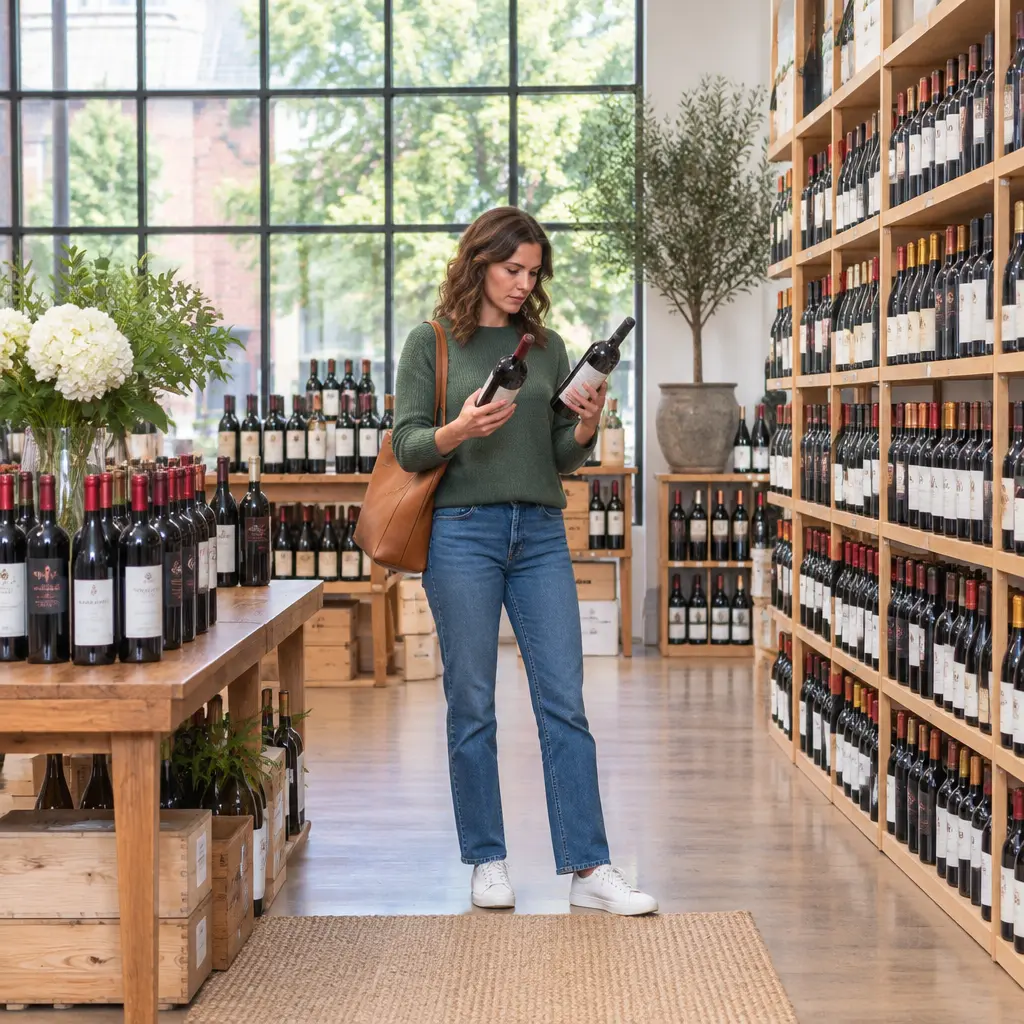
Low-tannin wines are wines with relatively little of the drying, mouth-gripping sensation associated with tannins; they can still be aromatic, structured, and flavorful. Buyers often mistake low tannin for low acidity, sweetness, light body, or poor aging potential, even though these are separate characteristics. Understanding how tannin behaves—and how grape variety, winemaking, serving conditions, food, and personal preference affect perception—helps shoppers choose bottles that match the occasion instead of relying on broad labels such as “smooth” or “light.”
Low-tannin wine choices depend on understanding tannin
Tannins are naturally occurring compounds found in grape skins, seeds, and stems, as well as in oak. In wine, they contribute astringency—the drying or puckering sensation—rather than a particular flavor. The American Wine Society describes tannin as a phenolic compound that can create a drying sensation in the mouth. Tannin is most noticeable in many red wines because their juice usually spends more time in contact with grape solids during fermentation, although white wines can also gain tannin through skin contact or oak aging.
A useful buying distinction is that tannin, acidity, sweetness, alcohol, and body describe different aspects of wine. A wine can be low in tannin but high in acidity, as many light-bodied reds are; it can also be low in tannin yet full-bodied or high in alcohol. The International Organisation of Vine and Wine (OIV) reports that global wine consumption reached an estimated 221 million hectolitres in 2024, underlining the scale of a market in which clear, practical buying cues matter. The common mistakes below show how to read those cues more accurately.
Buyers misread the attributes of low-tannin wine
Low-tannin wine is best understood as wine with comparatively modest perceived astringency, not as a formal quality grade or a guarantee of a particular flavor. Perception varies with grape, extraction, acidity, alcohol, serving temperature, food, and the drinker. The Wine & Spirit Education Trust (WSET) teaches tasting through separate structural elements—including acidity, tannin, alcohol, sweetness, and body—because one cannot reliably stand in for another.
Common examples of reds that are often lower in tannin include Gamay, especially Beaujolais; Pinot Noir; and some styles of Grenache or Schiava. These are tendencies, not promises: vineyard conditions and winemaking can produce noticeable differences between bottles. The first step toward a better purchase is to stop treating “low tannin” as shorthand for other qualities.
Mistake: Treating low tannin as low acidity
Acidity creates freshness and a mouthwatering sensation, while tannin creates drying grip. A Pinot Noir may feel gentle and low in tannin yet still taste crisp because of its acidity. Conversely, a softer-tasting red can have noticeable tannin without seeming especially sharp. Buyers who want a mellow wine should consider both sensations rather than asking only whether the wine is “smooth.”
A practical check is to notice what happens after a sip: a mouthwatering effect often points to acidity, whereas drying gums or cheeks suggest tannin. These sensations can overlap, so a retailer’s description of a wine as “fresh” or “bright” may indicate acidity rather than greater tannin.
Mistake: Assuming low tannin means sweet or fruity
Fruit aromas and sweetness are not the same thing. A low-tannin red can smell of cherries, raspberries, or strawberries and still be dry, meaning that little residual sugar remains perceptible. “Fruity” describes aroma and flavor; “sweet” describes taste. Buyers seeking a genuinely sweet wine should look for an explicit sweetness description or ask about residual sugar, rather than relying on fruit-forward language.
This distinction is useful when choosing an easy-drinking bottle: a light, fruit-led Gamay may be dry despite its vivid berry character. Likewise, a wine with some sweetness can still have acidity or tannin. Reading these traits independently prevents disappointment at the table.
Mistake: Equating low tannin with light body or low alcohol
Body refers broadly to the wine’s weight and texture in the mouth, while alcohol can contribute warmth and a fuller impression. Neither is determined by tannin alone. A low-tannin Grenache, for example, may be relatively rich or high in alcohol, while a leaner red may feel lighter overall. Check the producer’s notes and alcohol by volume (ABV) on the label when body or alcohol level is important to the purchase.
“Light-bodied” and “low-tannin” often overlap in popular descriptions, but the terms are not interchangeable. Asking for a low-tannin wine with a specific body—light, medium, or full—gives a wine merchant a more useful brief.
Buyers overlook how winemaking and service shape tannin
Grape variety offers a starting point, but the finished wine also reflects choices made in the vineyard, winery, and glass. Skin and seed contact, extraction, stem use, oak, serving temperature, and food can alter how strongly tannin is perceived. That is why a variety list cannot replace checking the producer, vintage, and style.
Mistake: Choosing by grape name alone
Gamay and Pinot Noir are useful starting points for shoppers seeking reds that are often less tannic than Cabernet Sauvignon or many Nebbiolo-based wines. But grape names do not guarantee a fixed texture. Extraction methods and the degree of grape-skin contact influence the amount and feel of phenolic material in the finished wine; stem inclusion and oak maturation may also add structure or change its perception.
For example, Beaujolais Nouveau is generally made for early drinking and tends to emphasize fresh fruit, whereas Beaujolais cru wines can be more concentrated and structured. The place and production style matter alongside the grape. When in doubt, ask whether the particular bottle is intended to be supple and immediate or more structured and age-worthy.
Mistake: Assuming all reds need decanting—or none do
Decanting is not a universal way to make wine smoother. It can help separate an older wine from sediment and may give some young, structured wines air, but it does not remove tannin. A delicate, low-tannin red may lose some of its fresh aromas if left open too long. If a bottle tastes tight, try a small glass first and reassess after a short period before deciding whether to aerate it further.
Sediment is a separate issue from tannin: it may appear in some older or minimally filtered wines, but its presence does not prove a wine is high in tannin. Let the bottle stand upright before serving if sediment is expected, then pour carefully.
Mistake: Serving low-tannin reds too warm
Serving temperature changes how a wine feels and smells. A red served too warm may seem more alcoholic and less refreshing; a slight chill can make many light-bodied, fruit-forward reds feel livelier. WSET guidance commonly places light-bodied reds around 12–16°C (54–61°F), though the ideal point depends on the bottle and preference. Refrigerate briefly, then taste—the goal is cool, not cold enough to mute the aromas.
This is especially helpful for Beaujolais, some Pinot Noir, and other lighter reds. Rather than assuming a red must be served at room temperature, adjust the temperature gradually and see whether the wine’s balance improves.
Buyers miss the food and preference context
A wine’s apparent tannin can change at the table. Food affects the balance of taste and texture, so a bottle that seems gentle on its own may feel different alongside a dish. The best low-tannin choice is therefore not just a grape or style; it is a match for the drinker, meal, and setting.
Mistake: Pairing low-tannin wine with food by color alone
“Red wine with meat, white wine with fish” is too broad to guide every pairing. Tannin can work well with protein-rich foods, while acidity can refresh the palate with rich or fatty dishes. A low-tannin red may suit roast chicken, mushroom dishes, charcuterie, or salmon, depending on its acidity, body, and seasoning. For a spicy dish, alcohol and tannin may intensify a sensation of heat, so a softer, cooler, or slightly off-dry option may be more comfortable.
Think of pairing as balancing the wine’s structure with the food’s weight and flavor. A light, bright red can suit simply prepared poultry, while a fuller low-tannin red may have enough presence for grilled vegetables or richer sauces. Taste the wine with the meal when possible instead of relying on color or grape alone.
Mistake: Buying for a vague idea of “smoothness”
“Smooth” is an imprecise marketing and tasting term. It can refer to low perceived tannin, ripe fruit, moderate acidity, sweetness, or a rounded texture—and different drinkers may mean different things by it. Buyers can get a more reliable recommendation by describing the sensation they want: little mouth-drying grip, gentle acidity, low alcohol, dry fruit flavors, or a lighter body.
A concise request to a retailer might be: “I’m looking for a dry, fruit-forward red with low tannin, medium acidity, and moderate alcohol for drinking slightly chilled.” This separates the desired attributes and makes it easier to find a bottle that fits.
Mistake: Assuming low tannin means poor quality or poor aging potential
Tannin is one contributor to a wine’s structure, not a quality score. A well-made low-tannin wine can be balanced, expressive, and enjoyable when young. Aging potential depends on several elements—including acidity, fruit concentration, tannin, winemaking, and storage—not tannin alone. Many light, fresh reds are deliberately made for early drinking, while some lower-tannin wines may develop positively for a time under suitable conditions.
Buy for the wine’s intended style rather than assuming that more grip means more quality. If cellaring matters, ask the producer or merchant about the specific bottle’s expected drinking window and store it in a cool, dark, stable environment.
A practical checklist for buying low-tannin wine
Use the following checklist to translate preference into a more precise purchase:
- Decide whether you want red, white, or rosé; red wines are not the only wines that can contain tannin.
- Describe the sensation you want—less drying grip—separately from sweetness, acidity, body, and alcohol.
- Consider starting with Gamay, Pinot Noir, or a lighter Grenache or Schiava, while checking the producer’s style rather than treating the grape as a guarantee.
- Read tasting notes for clues such as “supple,” “soft,” or “lightly structured,” and ask what the retailer means by “smooth.”
- Match the bottle to the meal and try a slight chill for lighter reds.
- If possible, taste before buying or purchase a single bottle before committing to a case.
A simple comparison can also help: taste two wines side by side, such as a lighter Pinot Noir and a more structured red, and notice drying sensation separately from acidity and body. A tasting chart can record each wine’s perceived tannin, acidity, sweetness, body, and ABV; this makes personal preferences easier to remember than a single “smooth/not smooth” rating.
Conclusion: Buy low-tannin wine by its full profile
The most frequent mistakes are treating low tannin as low acidity, sweetness, light body, or low alcohol; choosing by grape alone; misusing decanting or serving temperature; and overlooking food and personal preference. Tannin describes a drying sensation, while the wine’s overall character depends on several distinct attributes and on how it is made and served.
For a more satisfying purchase, ask for the specific combination you want—such as dry, fruit-forward, low in tannin, and medium-bodied—and confirm the style of the individual bottle. Compare wines, take brief tasting notes, and consult a knowledgeable wine merchant or the producer’s information when aging or food pairing matters. Further reading from WSET and the American Wine Society can help build confidence with wine structure and tasting vocabulary.
Sources: American Wine Society, Wine 101: Tannins, https://americanwinesociety.org/wine-101-tannins/; International Organisation of Vine and Wine, State of the World Vine and Wine Sector in 2024, https://www.oiv.int/what-we-do/statistics; Wine & Spirit Education Trust, How to Taste Wine, https://www.wsetglobal.com/knowledge-centre/blog/2020/how-to-taste-wine/; Wine & Spirit Education Trust, How to Serve Wine, https://www.wsetglobal.com/knowledge-centre/blog/2021/how-to-serve-wine/