
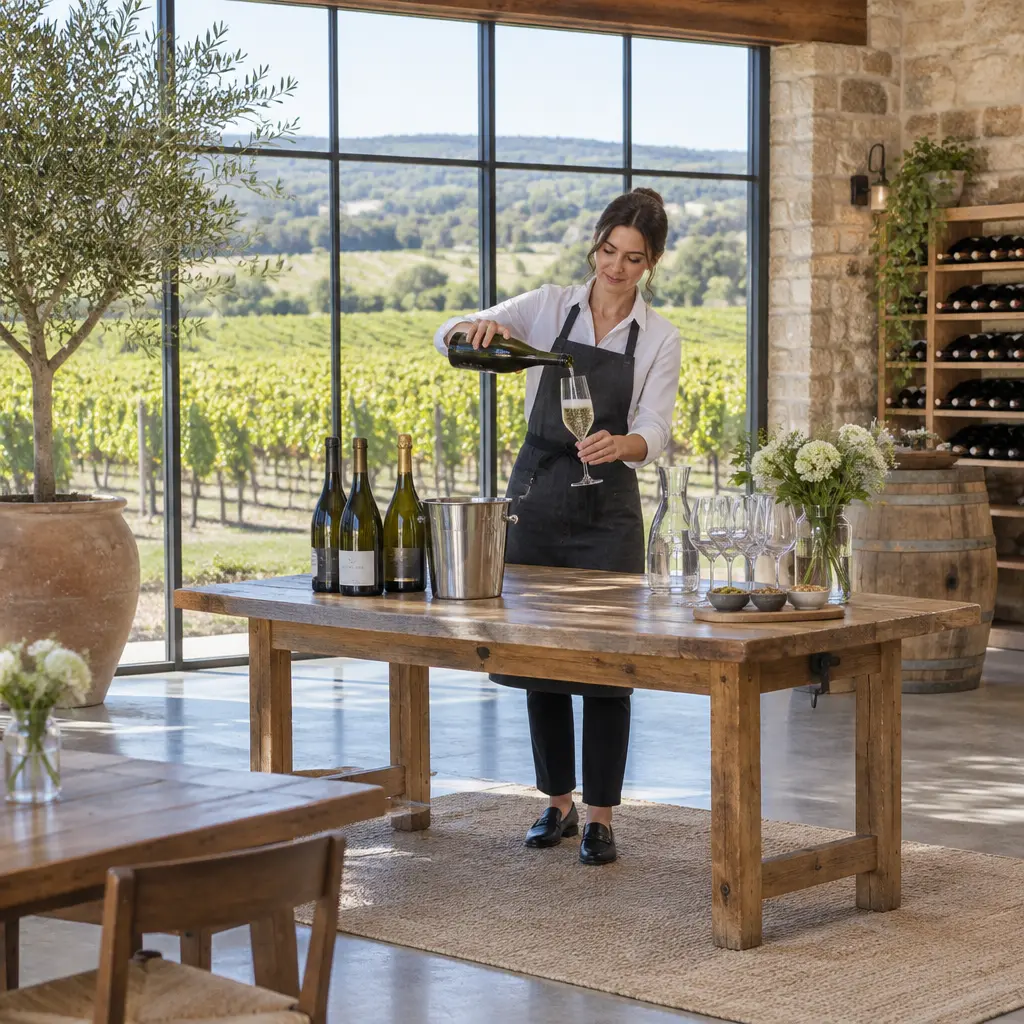
Sparkling wine service is the set of choices that preserve a wine’s bubbles, aroma, and balance while matching it to the occasion and the people drinking it. Before pouring, sommeliers weigh the wine’s style and condition, serving temperature, glassware, opening method, portion size, and food pairing. These decisions have practical consequences: the Comité Champagne recommends […]

Cellar Door Seating Compared with Standing Bar Service
Cellar door seating gives winery visitors a place to pause, taste, and talk, while standing bar service is designed for quicker, more flexible tastings at a counter. The better choice depends on the venue’s space, visitor mix, service style, and accessibility needs. A 2023 WineBusiness Monthly survey of U.S. wineries found that tasting-room experiences and […]
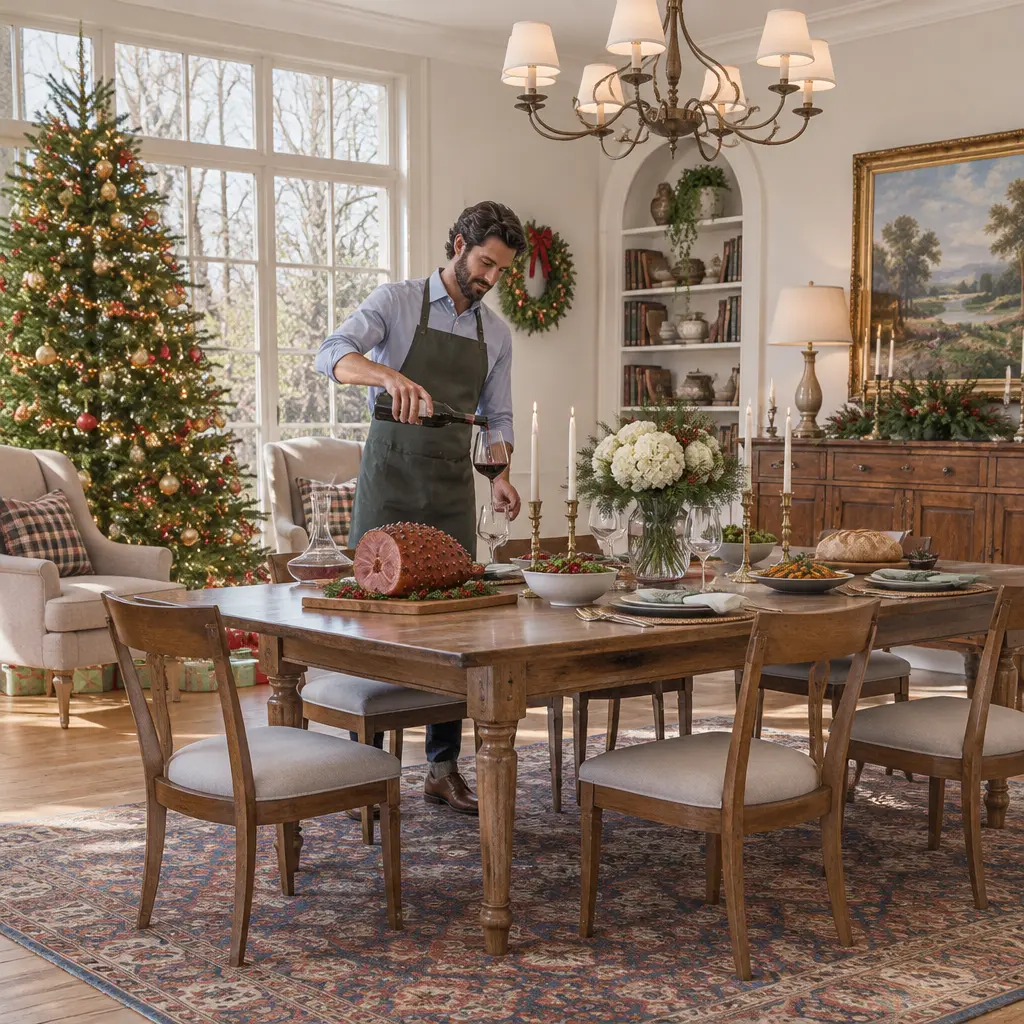
How Sommeliers Approach Wine for Holiday Ham
Wine pairing is the practice of choosing a wine whose flavors, acidity, sweetness, tannins, and body work well with a dish. For holiday ham, sommeliers start with the ham’s salt, smoke, sweetness, and richness—not a rigid rule that pork requires red wine. A lively sparkling wine or white can refresh the palate; a fruit-forward, low-tannin […]

Frequent Mistakes Buyers Make with Low Tannin Wines
Low-tannin wines are wines with relatively little of the drying, mouth-gripping sensation associated with tannins; they can still be aromatic, structured, and flavorful. Buyers often mistake low tannin for low acidity, sweetness, light body, or poor aging potential, even though these are separate characteristics. Understanding how tannin behaves—and how grape variety, winemaking, serving conditions, food, […]
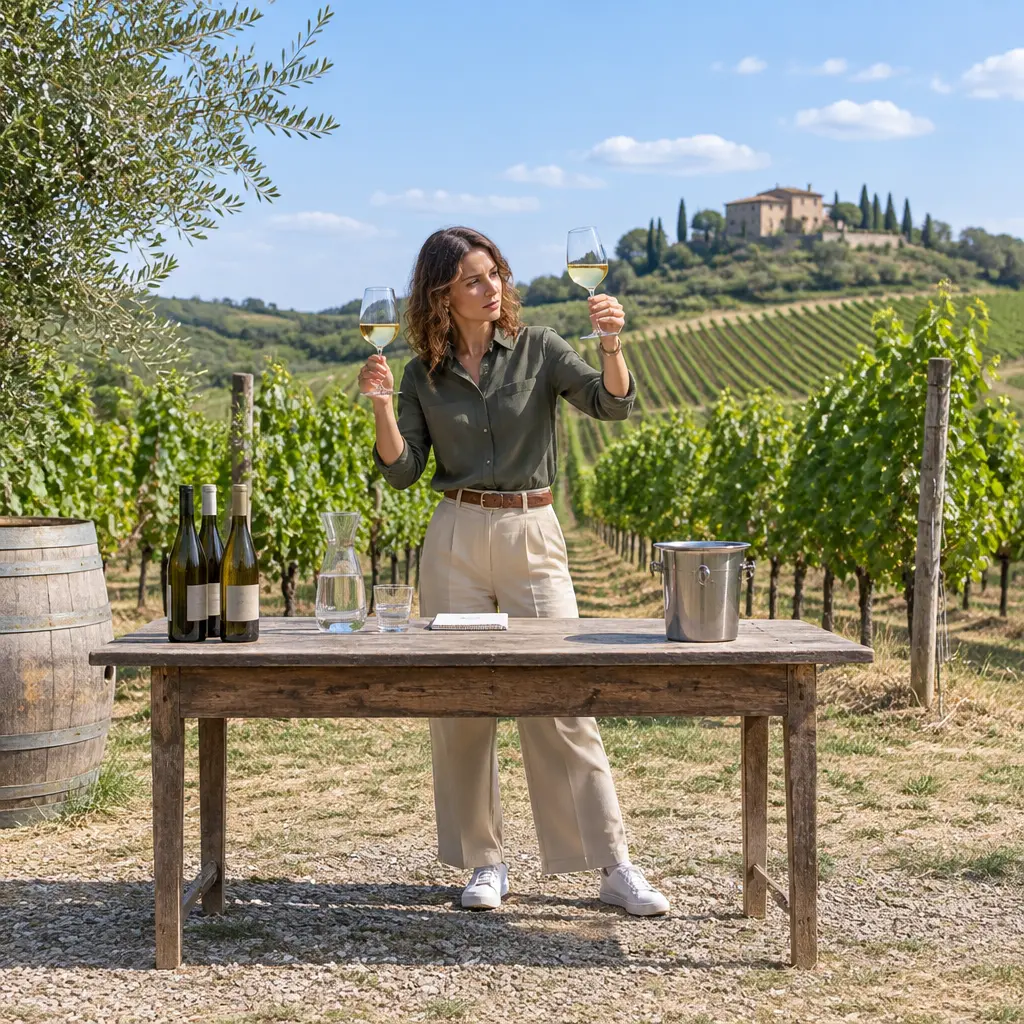
Muscat Compared with Riesling in Aromatic White Wine Styles
Muscat and Riesling are aromatic white-wine grapes, but they express aroma differently: Muscat commonly evokes fresh grapes and floral notes, while Riesling is associated with citrus, stone fruit, and, with age, distinctive petrol-like aromas. Both can be made in styles ranging from dry to sweet, so grape variety alone does not determine sweetness. Comparing their […]

Bypass the markup and find decent wine under twenty dollars
Wine under $20 can offer genuine quality without paying a prestige or restaurant markup. The best buys usually come from regions and grape varieties with strong value, and from checking the final shelf price rather than assuming a familiar label guarantees a bargain. A useful approach is to understand how retail and restaurant pricing differ, […]
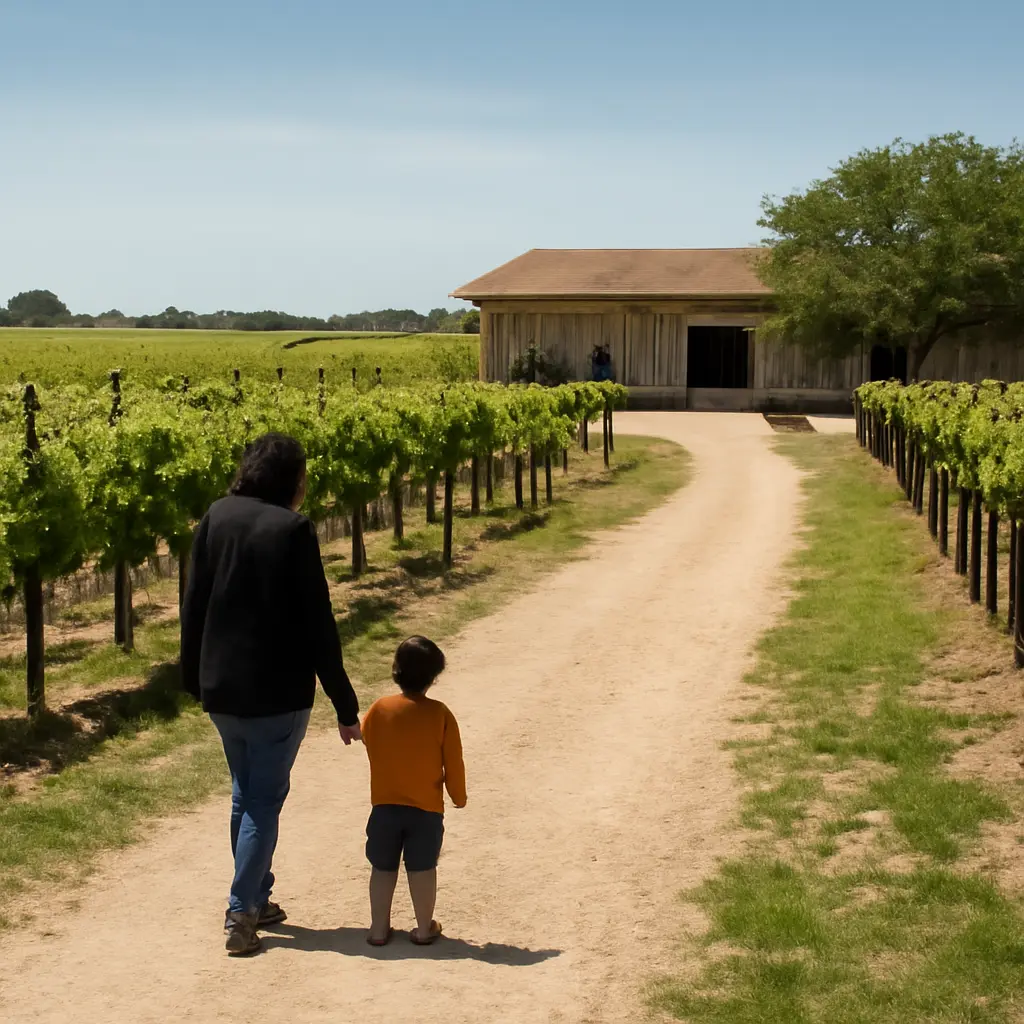
Your First Winery Trip with Children Doesn’t Have to Be Messy
A family-friendly winery visit is a planned tasting-room or vineyard outing that makes room for children’s needs as well as adult interests. Your first trip doesn’t have to be messy: choose a winery that welcomes families, keep the visit short, bring snacks and quiet activities, and set clear expectations before you arrive. Those basics matter […]
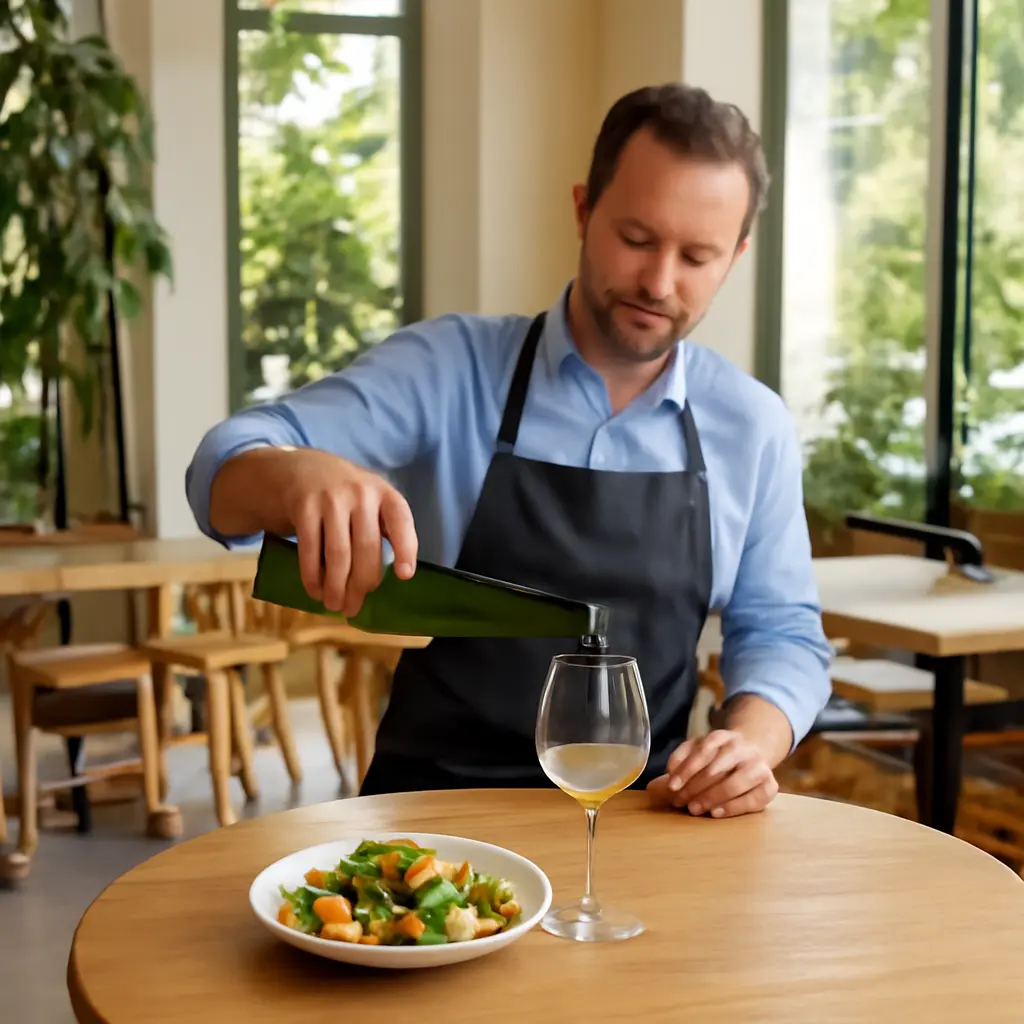
Vegetable-Driven Plates Are Getting a Wine Revolution Right Now
Vegetable-driven plates—meals in which vegetables shape the dish rather than simply accompany meat—are giving wine lists a fresh opportunity: pairing by texture, acidity, aroma, and cooking method instead of defaulting to red wine with meat and white wine with fish. The shift reflects both evolving restaurant menus and a sizeable market: the International Organisation of […]
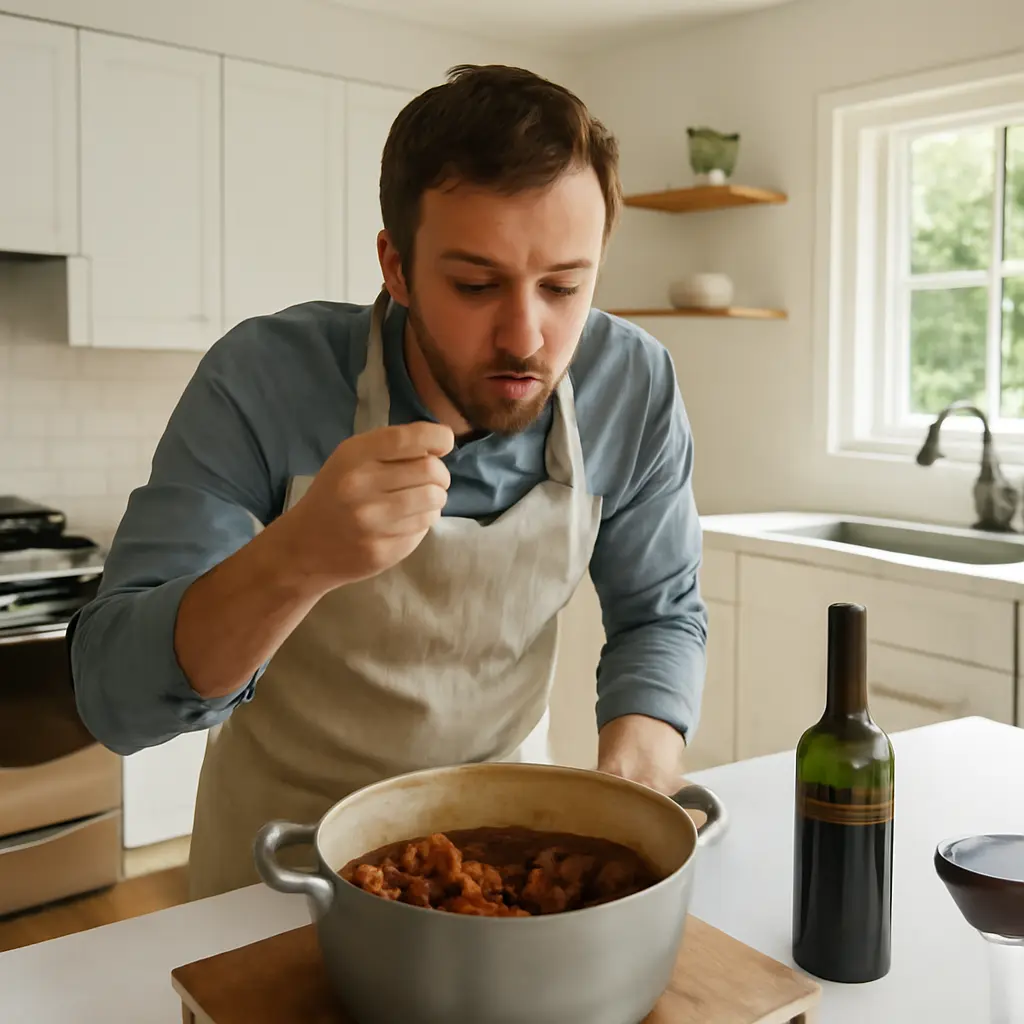
Braising Transforms Food Flavors, So Pick Wines Accordingly
Braising changes both a food’s texture and its flavor: slow cooking in a covered pot with a modest amount of liquid softens connective tissue, concentrates savory compounds, and lets the cooking liquid absorb flavor from meat or vegetables. That transformation makes wine choice less about matching the raw ingredient and more about balancing the finished […]
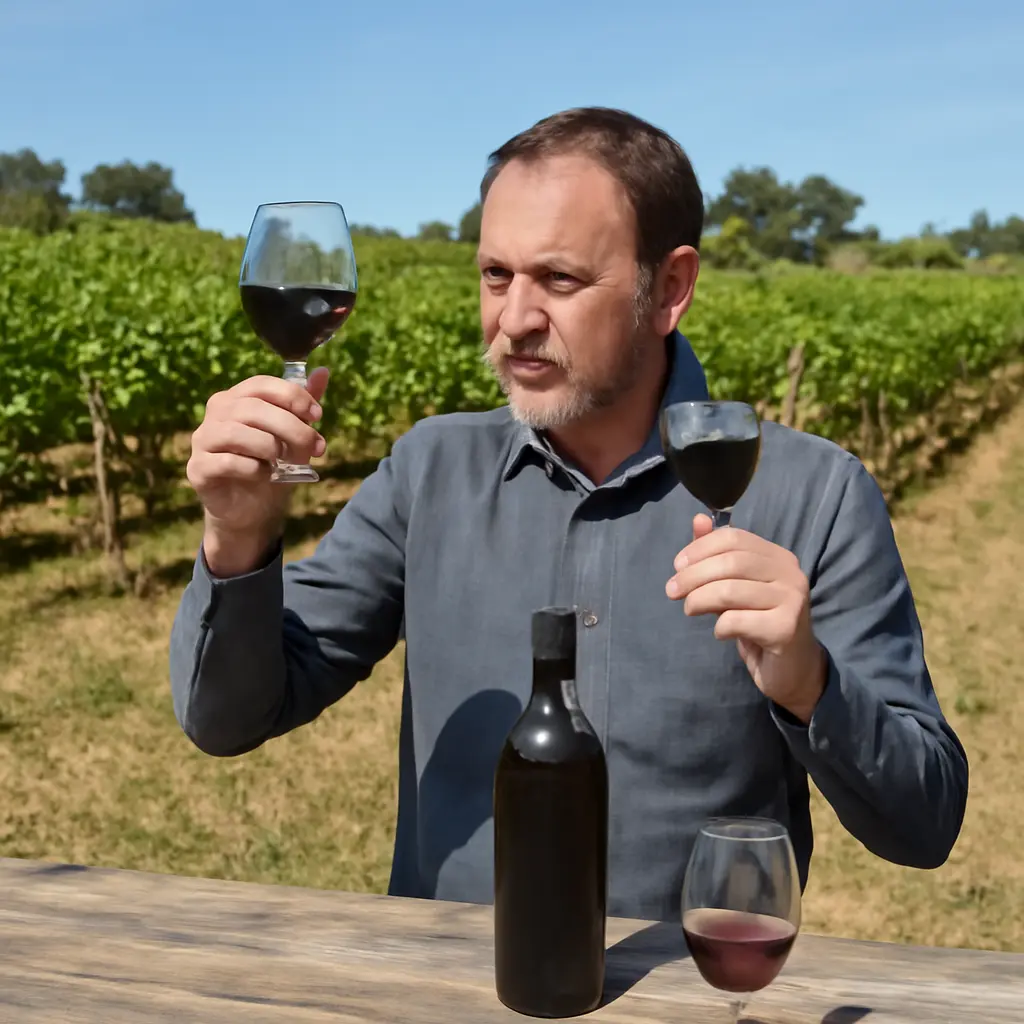
Mistaking cool-climate wines for thin or underdeveloped is a costly error
Cool-climate wines can seem lighter than their warm-climate counterparts, but lightness is not the same as thinness or immaturity. These wines often express lower alcohol, brisk acidity, restrained fruit, and site-specific aromas—qualities that can be mistaken for missing concentration when judged by expectations formed around riper styles. Understanding how climate shapes ripeness, how acidity and […]