
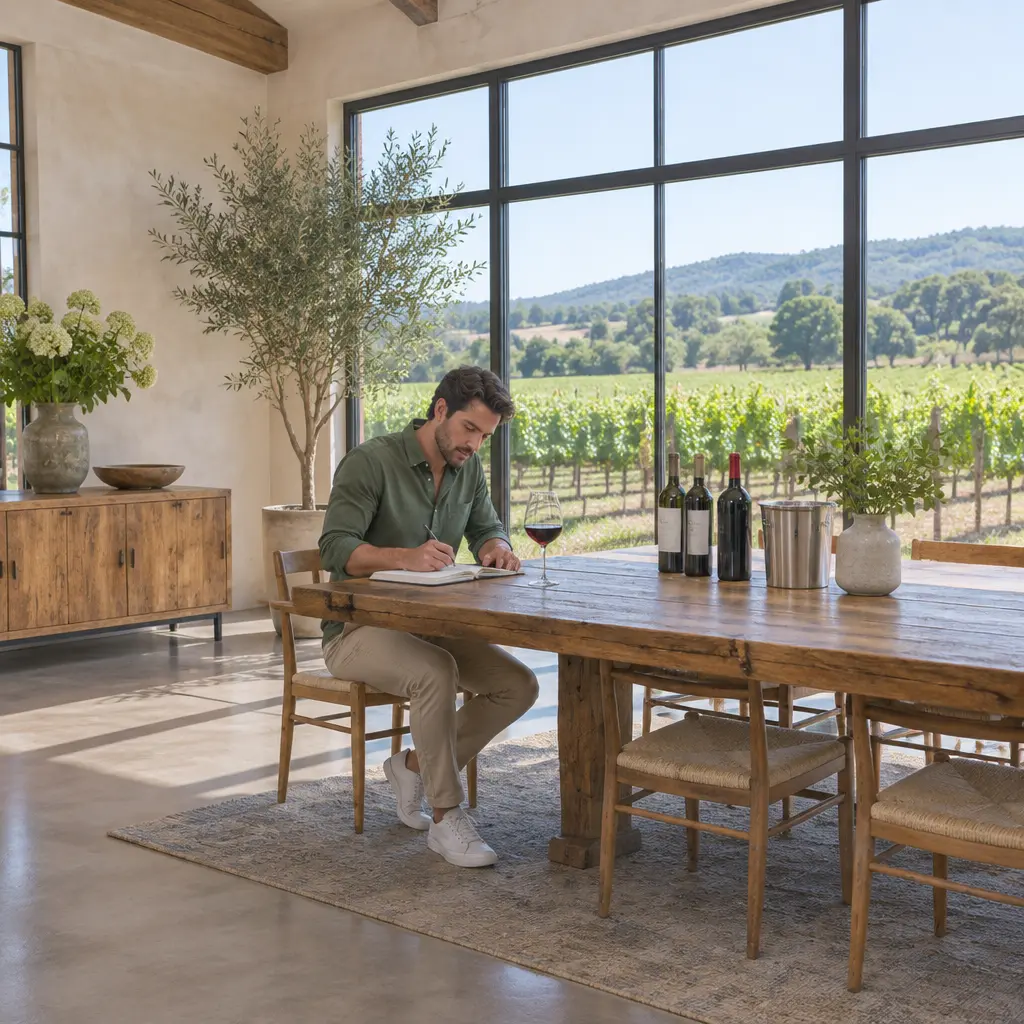
Wine perception is the brain’s interpretation of a wine’s aromas, flavors, texture, and overall character—not simply a direct readout of what is in the glass. Mood and environment can shape that interpretation by changing attention, expectations, and sensory experience. Research on wine and music, color, and tasting conditions shows that the same wine may be […]
Month: September 2026
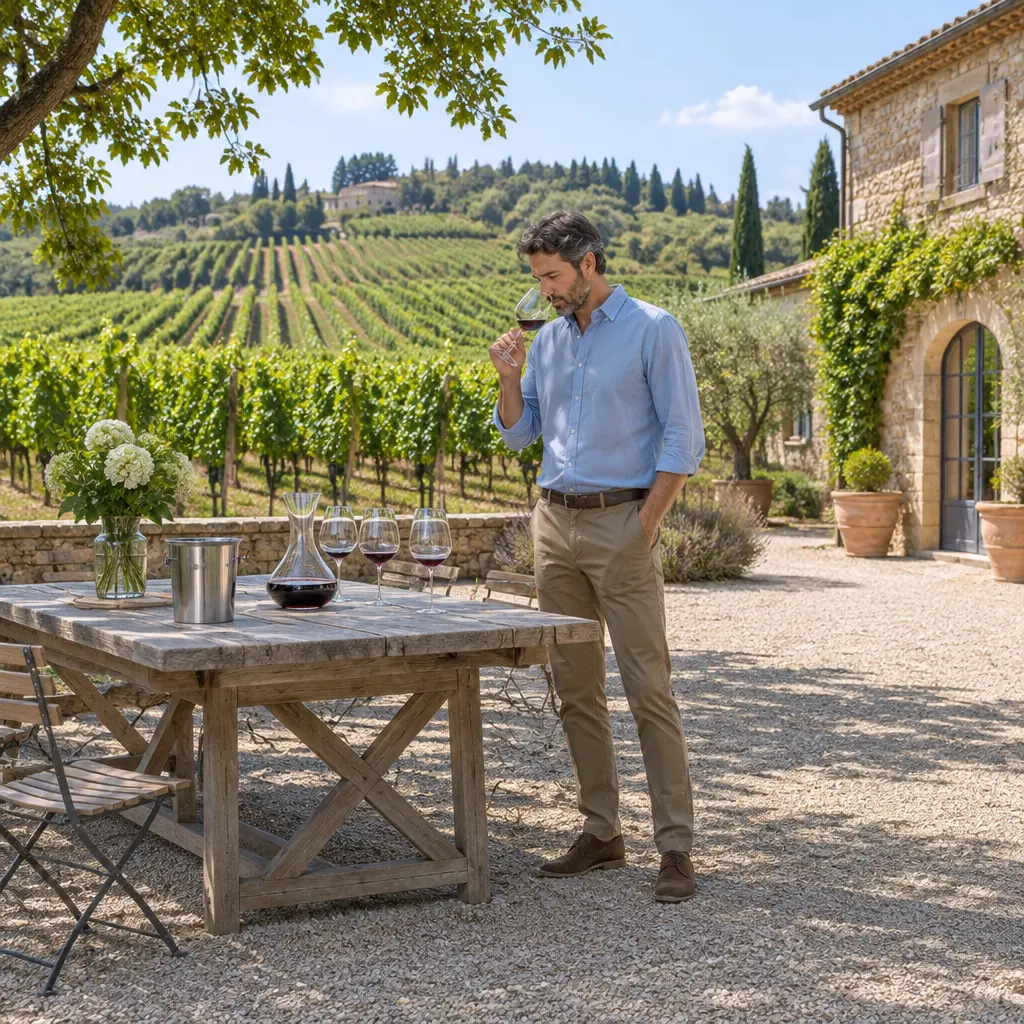
Why the French Take Wine Tasting So Seriously And What We Can Learn
French wine tasting is more than a hunt for a prestigious bottle: it is a disciplined way to notice, describe, and compare wine in context. Shaped by regional traditions, food culture, and the French system of appellations, it connects sensory judgment to place and production. France’s National Institute of Origin and Quality (INAO) recognizes more […]
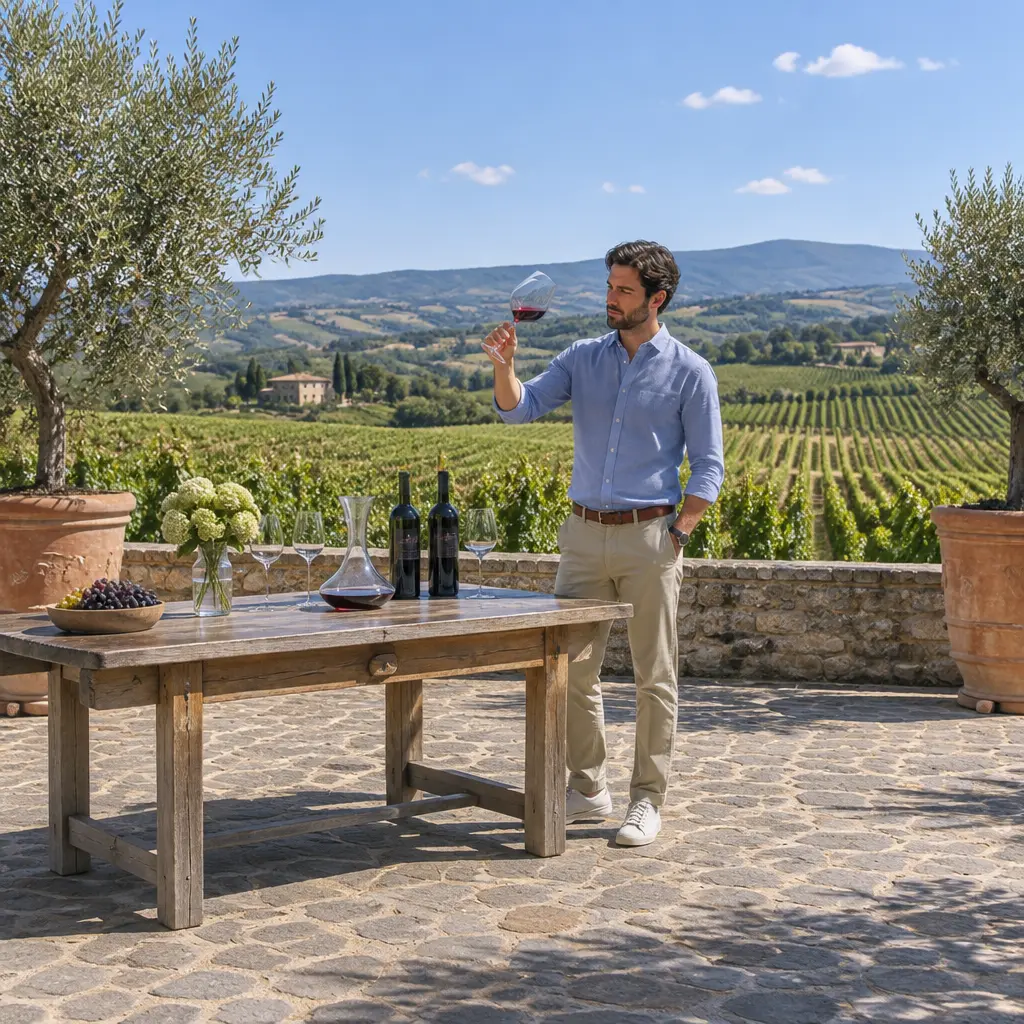
5 Things to Notice Every Time You Taste Wine
Wine tasting is a way to assess a wine’s appearance, aromas, flavors, and overall structure using your senses. Each time you taste, notice five things: color and clarity, aromas, acidity, tannin and body, and finish. These observations connect to the Court of Master Sommeliers’ systematic approach to tasting and help explain why two wines made […]
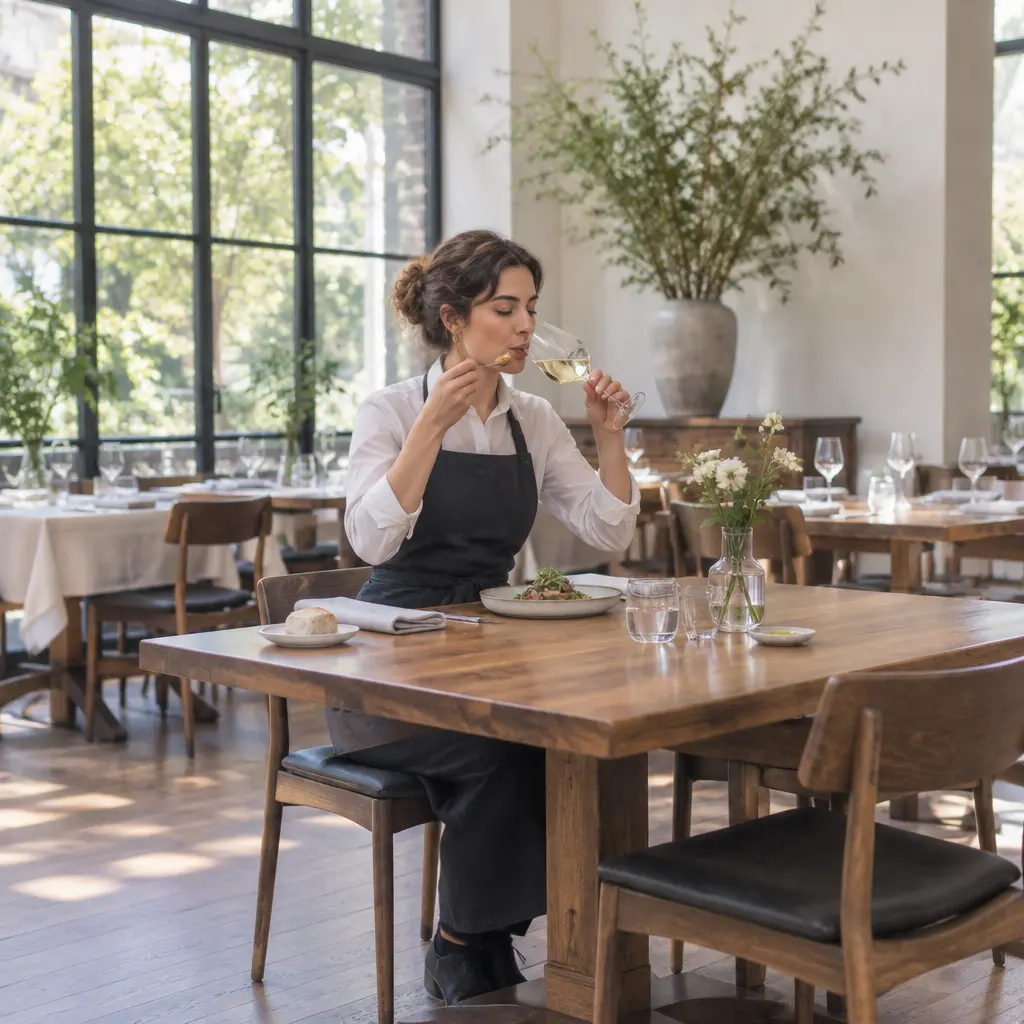
How Food Changes the Way Wine Tastes
Food changes wine’s perceived sweetness, acidity, bitterness, body, and aroma through interactions among taste, smell, texture, and lingering flavors. In a classic experiment, researchers at the University of Bordeaux found that tasting wine alongside food altered how trained tasters described it, showing that wine’s character is not experienced in isolation. The practical takeaway is that […]
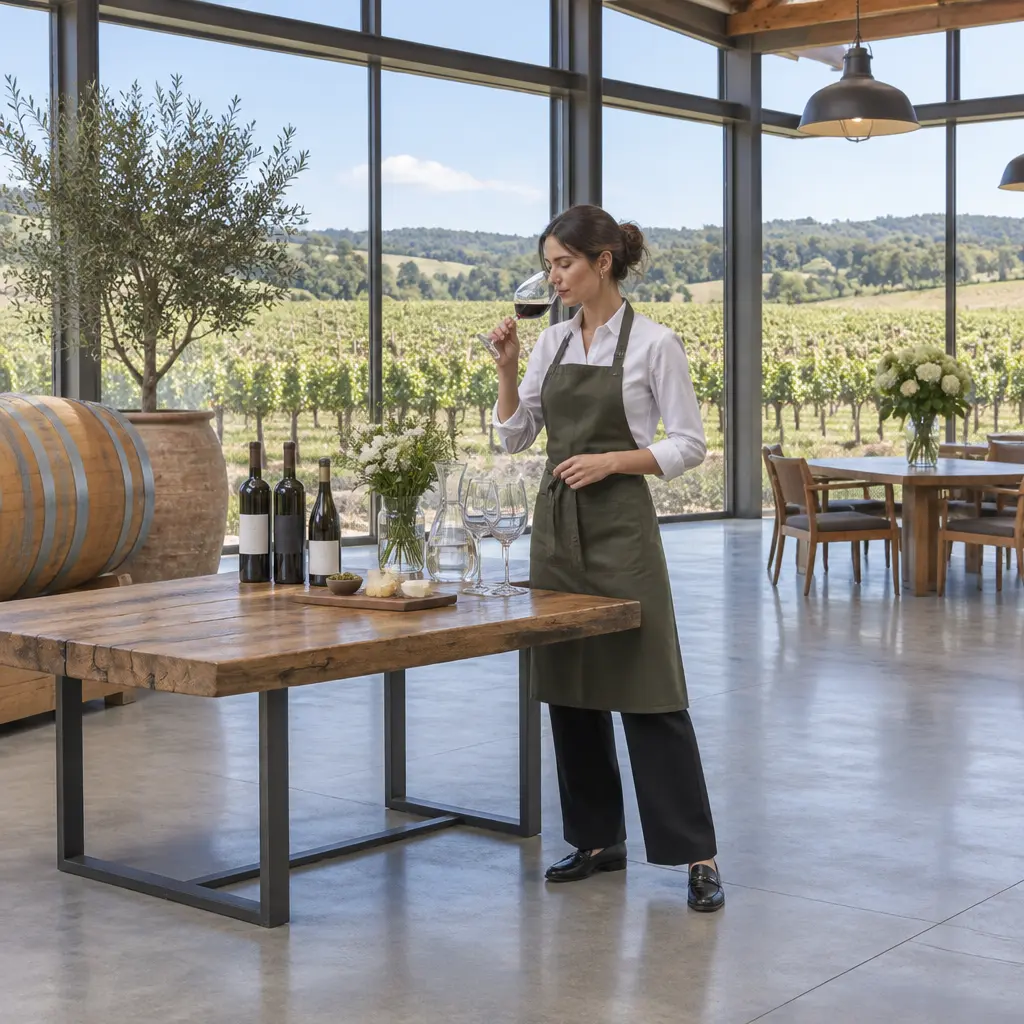
How to Taste Wine Like a Professional Sommelier
Wine tasting like a professional sommelier is a repeatable way to assess a wine’s appearance, aromas, flavors, structure, and overall condition—not a test of whether you can name an obscure fruit. The method helps tasters describe what they perceive, judge how the elements fit together, and decide what to drink or serve next. A practical […]