
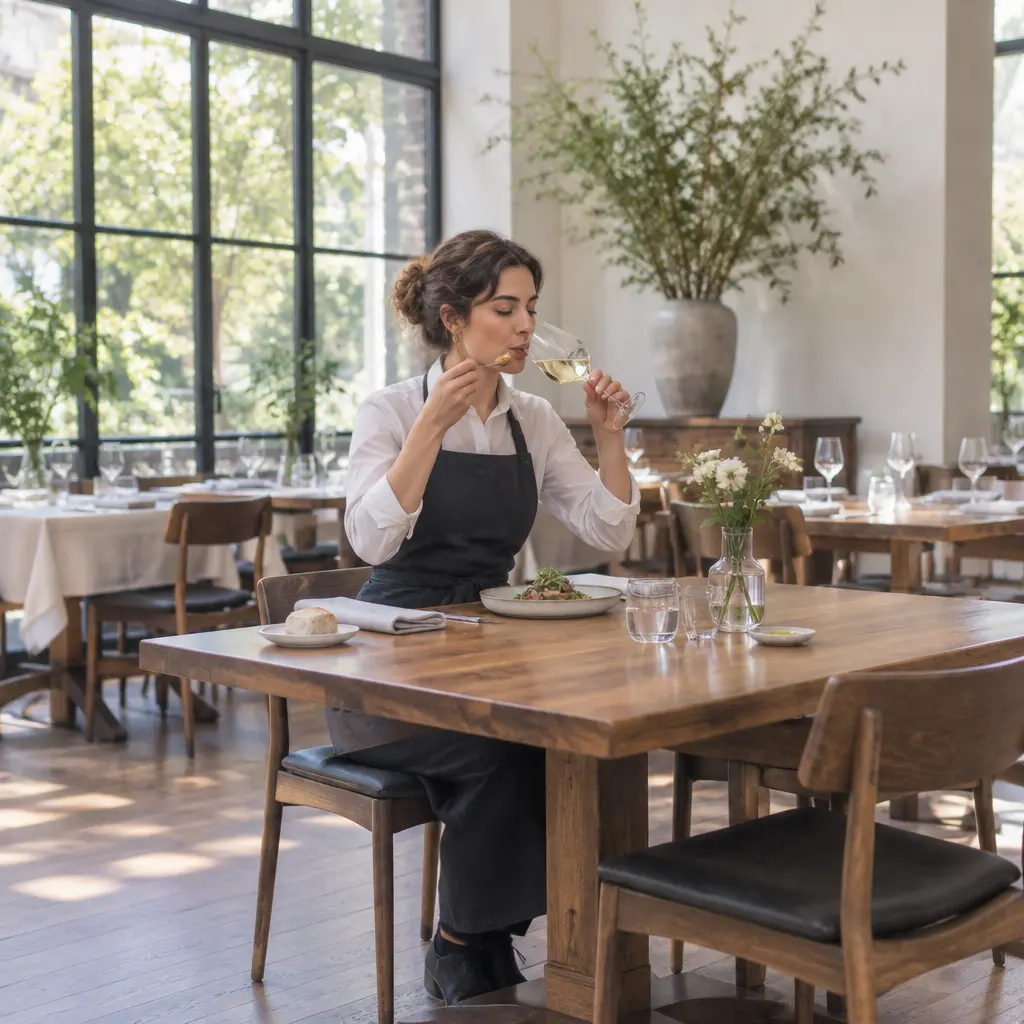
Food changes wine’s perceived sweetness, acidity, bitterness, body, and aroma through interactions among taste, smell, texture, and lingering flavors. In a classic experiment, researchers at the University of Bordeaux found that tasting wine alongside food altered how trained tasters described it, showing that wine’s character is not experienced in isolation. The practical takeaway is that pairing is less about rigid rules than balancing a dish’s salt, acid, sweetness, fat, heat, and intensity with a wine’s structure. The sections below explain the sensory mechanisms, the main food effects, and ways to apply them at the table.
Food Effects on Wine’s Sensory Attributes
A food–wine interaction is a change in the wine’s perceived qualities when it is tasted with a particular food. It is not simply a chemical reaction in the glass: aromas, tastes, textures, and expectations combine in the taster’s perception. Researchers Frédéric Brochet and Denis Dubourdieu demonstrated this perceptual influence in a 2001 study in which wine experts described the same white wine differently after it was colored red. The experiment concerned visual cues rather than food, but it illustrates a broader point: context can shape what people report tasting.
Common food–wine interactions include contrast, where one element offsets another; congruence, where similar qualities reinforce each other; and dominance, where a strong flavor overwhelms a subtler one. These are useful guides, not universal laws. A wine’s grape variety, alcohol, acidity, tannin, sweetness, serving temperature, and age all affect the result, as do recipe, portion size, and individual sensitivity.
Taste and aroma interactions
Taste refers principally to basic sensations such as sweetness, sourness, bitterness, saltiness, and umami; aroma is detected through the nose, including the route from the mouth to the nasal cavity while eating. Food can make a wine seem more or less fruity, sharp, sweet, or bitter by changing the balance of these sensations. For example, a sweet dessert can make a dry wine seem more acidic or austere, while a salty bite may make fruit seem more pronounced.
The International Organisation of Vine and Wine (OIV) describes wine sensory evaluation as an assessment of appearance, aroma, and taste. In practice, a pairing should be judged in sequence: taste the wine alone, take a bite, then taste the wine again. This simple comparison helps distinguish a wine’s baseline character from the change created by the food.
Texture, body, and finish
Texture is the physical sensation of food and wine in the mouth, while body describes the impression of weight or fullness. Fatty or creamy dishes can soften the perceived sharpness of acidity, and a wine with lively acidity can refresh the palate after a rich bite. Tannin—the drying, puckering sensation often associated with red wine—can feel more pronounced alongside some foods, but protein-rich dishes such as meat may make tannin seem less harsh.
The finish is the flavor and sensation that remain after swallowing. A dish with lingering smoke, spice, sweetness, or bitterness can alter the wine’s aftertaste as well as its first impression. For this reason, evaluating only the first sip can miss the most important part of a pairing.
Food Changes Wine Through Taste and Structure
Food affects wine most predictably when its dominant qualities are considered separately. Salt, acidity, sweetness, umami, fat, and chili heat can each shift how wine tastes. The Culinary Institute of America’s wine-and-food teaching materials emphasize matching intensity and considering a dish’s dominant flavors rather than relying only on its main ingredient.
Salt and acidity
Salt can make a wine seem fruitier and less bitter or astringent, which is why crisp wines often work well with salted snacks and savory dishes. Acidity in food can make a low-acid wine seem flat; a wine with similarly bright acidity is more likely to remain lively beside lemon, vinaigrette, or tomato. A practical example is seafood with citrus: a fresh, high-acid white wine is less likely to taste dull than a soft, low-acid option.
Sweetness and dessert
Sweetness in food can reduce the perceived fruitiness of a dry wine and emphasize its bitterness or acidity. A useful rule is to choose a wine at least as sweet as the dessert, while also considering intensity: delicate fruit may be overwhelmed by a very rich pastry, and a lightly sweet wine may seem thin beside a highly sugary dish. For instance, a sweet wine can complement fruit tart, whereas a dry red may taste sour and austere beside it.
Umami and bitterness
Umami is the savory taste associated with ingredients such as mushrooms, aged cheese, soy, and some broths. Umami-rich foods may make wine seem more bitter, more acidic, or less fruity, especially when paired with a tannic red. Aged cheeses can work differently because their salt and fat may soften the wine’s astringency. The outcome depends on the particular cheese, wine, and serving order, so tasting the combination is more reliable than treating all cheese as a single category.
Fat, protein, and tannin
Fat coats the mouth and can make acidity feel refreshing by contrast; protein can also soften the impression of tannin in some red-wine pairings. This helps explain why structured reds are often served with grilled meat, while a crisp white can cut through creamy sauces. Yet a dish’s seasoning matters: a heavily salted, sweet-glazed, or spicy preparation may shift the balance more than the ingredient itself.
Chili heat and alcohol
Capsaicin, the compound responsible for chili heat, stimulates oral receptors and can make alcohol feel hotter. A high-alcohol, tannic wine may therefore intensify the sensation of a spicy dish. Lower-alcohol wines with some fruit or sweetness can be gentler choices, although the best match depends on the cuisine and the level of heat. For spicy food, try a small sip after a bite before committing to a full glass.
Food–Wine Pairing in Practice
The most useful pairing method begins with the whole dish rather than a single ingredient. Consider its dominant intensity, cooking method, sauce, seasoning, and texture; then choose a wine that either complements those qualities or deliberately contrasts with them. For example, grilled salmon with lemon and herbs differs substantially from salmon with a sweet glaze, even though the central ingredient is the same.
A practical tasting method
- Identify the dish’s strongest features: acidity, sweetness, salt, umami, fat, spice, smoke, or richness.
- Assess the wine’s acidity, sweetness, tannin, alcohol, body, and aromatic intensity.
- Decide whether to seek contrast, such as bright acidity against creamy richness, or congruence, such as a delicate wine with a subtle dish.
- Taste the wine alone, then with a bite of food. Notice changes in fruit, sourness, bitterness, texture, and finish.
- Adjust for preparation. Sauces, seasoning, and cooking method often matter more than the food’s category.
Real-world examples and useful cautions
A salty hard cheese may make a red wine seem softer, while an acidic goat cheese can favor a similarly fresh white. A creamy pasta can benefit from acidity that refreshes the palate; a tomato sauce generally calls for a wine with enough acidity to avoid tasting flat. These examples show why pairing guidance is best treated as a starting point, not a guarantee.
Serving temperature and sequence also matter. Colder temperatures can suppress some aromas and make a wine seem sharper, while warmer serving can make alcohol more apparent. When tasting several wines, move from lighter and drier to fuller and sweeter where practical, and use water and neutral foods to reset the palate. A simple comparison chart can help: list the dish’s dominant features in one column and the wine’s structure in another, then record whether each feature became stronger, weaker, or unchanged after a bite.
Conclusion: Use Food Effects to Choose Wine
Food changes wine through interactions among taste, aroma, texture, and finish. Salt may soften bitterness; acidity can keep a pairing lively; sweetness can expose the austerity of a dry wine; umami may emphasize bitterness; and fat, protein, and chili heat can alter how acidity, tannin, and alcohol feel. These effects explain why wine should be assessed with the dish, not only on its own.
Use pairing rules as hypotheses and test them with small bites and sips. Paying attention to the recipe, seasoning, and personal preference makes wine selection more informed—and more enjoyable. For further exploration, compare two wines with the same dish and note how each changes after a bite.
Sources: Brochet, Frédéric, and Denis Dubourdieu, “Wine Descriptions: The Effect of Contextual Factors on the Results of Tasting,” Journal of Wine Research, 2001, https://doi.org/10.1080/09571260120095041; International Organisation of Vine and Wine, “International Standard for the Labelling of Wines,” https://www.oiv.int/standards; The Culinary Institute of America, The New Wine Lover’s Companion, https://www.ciafoodies.com/