
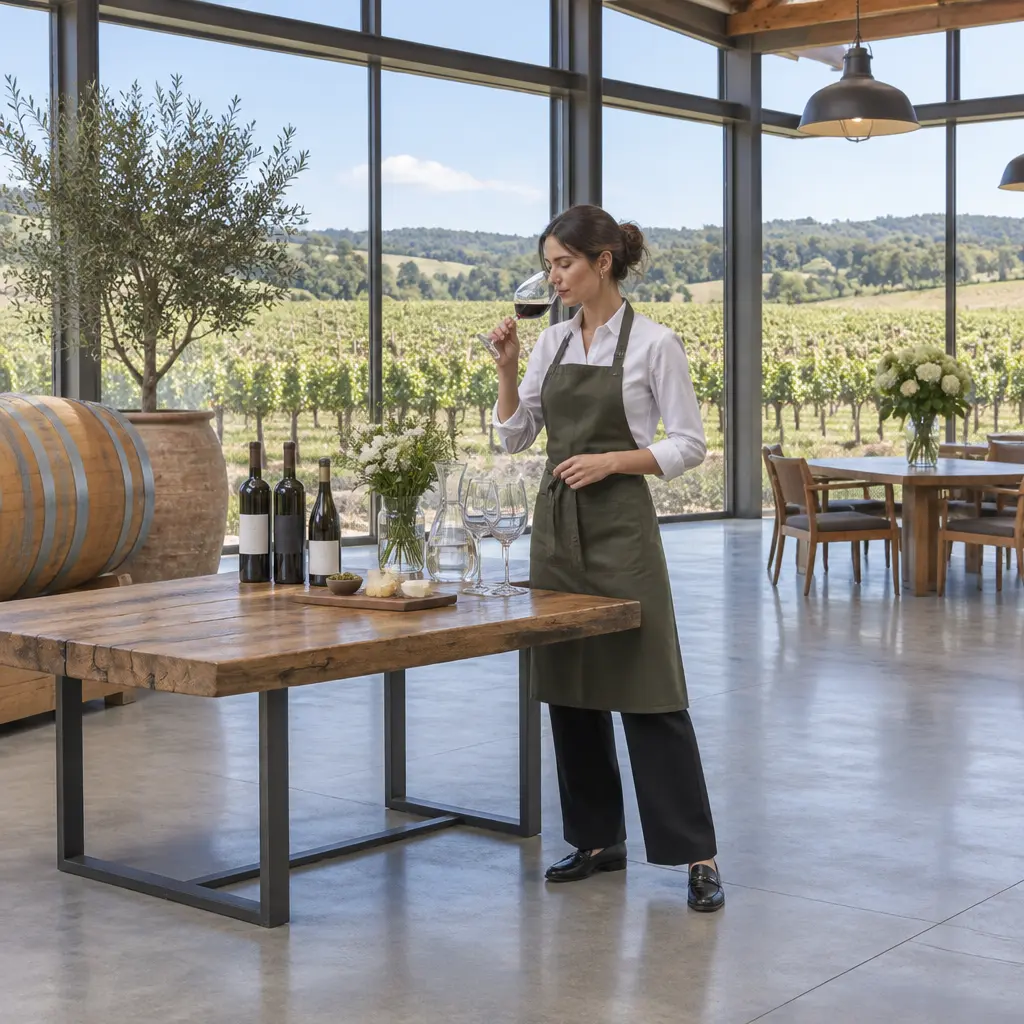
Wine tasting like a professional sommelier is a repeatable way to assess a wine’s appearance, aromas, flavors, structure, and overall condition—not a test of whether you can name an obscure fruit. The method helps tasters describe what they perceive, judge how the elements fit together, and decide what to drink or serve next. A practical sequence is to look, smell, taste, and conclude, using small, deliberate observations rather than guesswork. The approach below explains the tasting framework, the sensory cues to notice, how to make a balanced judgment, and how to practice; it also draws on professional tasting standards and wine-industry data to put the skill in context.
Sommelier Wine Tasting: The Structured Assessment Method
A structured wine tasting is an organized sensory assessment of a wine’s appearance, nose, palate, and quality. The Court of Master Sommeliers (CMS) teaches a systematic tasting approach in which the taster records observations and uses them to form a conclusion. The goal is not to produce a theatrical list of aromas; it is to move from evidence—such as acidity, tannin, and fruit character—to a reasoned description.
This discipline matters beyond the tasting room. The International Organisation of Vine and Wine (OIV) reported that worldwide wine consumption was estimated at 214 million hectolitres in 2023, illustrating the scale of a global product whose styles vary widely by grape, place, vintage, and production choices. A consistent method makes comparison more useful, whether choosing a bottle for dinner, evaluating a wine list, or studying for professional credentials.
The Four Core Stages
Professional tasting commonly follows four linked stages: appearance, smell, taste, and conclusion. Each stage answers a different question: What can be seen? What aromas are present? How does the wine feel and taste? And how well do its qualities come together?
- Observe clarity, color, and intensity.
- Smell first without swirling, then swirl gently and smell again.
- Taste a small sip, noting sweetness, acidity, tannin, alcohol, body, flavor, and finish.
- Summarize the wine’s balance, intensity, complexity, and length, then state an evidence-based conclusion.
These stages are best treated as a sequence rather than separate tricks. For example, a deep color may invite a hypothesis about grape or age, but the palate should test—not simply confirm—that first impression.
Set Up a Fair Tasting
A fair tasting begins with conditions that do not distort perception. Use a clean, odor-free glass, neutral lighting, and a quiet setting; avoid strong perfume, scented candles, and food with powerful aromas immediately beforehand. Pour a modest amount so there is room to swirl. Taste wines at suitable serving temperatures: excessive chill can mute aromas, while excessive warmth can make alcohol seem more prominent.
When comparing several wines, taste them in a deliberate order and keep the serving conditions consistent. A useful sequence is lighter-bodied wines before fuller-bodied ones, and dry wines before sweet wines. If tasting blind, conceal labels and record observations before discussing identity; this reduces the temptation to make the wine fit its reputation or price.
Wine Appearance: Assessing Color, Clarity, and Intensity
Appearance is the visual examination of a wine in the glass, especially its clarity, color, and depth of color. It can offer clues about style and development, but it rarely identifies a grape or vintage by itself. The CMS tasting approach treats visual observations as one part of a larger assessment rather than a stand-alone verdict.
Clarity and Visible Condition
Clarity describes whether a wine appears clear or hazy. Some unfiltered wines may show harmless sediment or slight cloudiness, while unexpected haze can prompt a closer check for a fault. Tilt the glass against a pale background and look for suspended particles, bubbles, or deposits. In sparkling wine, the presence and persistence of bubbles are observable features, but bubble size alone does not establish quality.
Color and Intensity
Color refers to the wine’s hue, while intensity describes how concentrated or pale that color appears. White wines may range from nearly colorless through lemon and gold; red wines may range from ruby and garnet to deeper purple tones. Age, grape variety, winemaking, and oxygen exposure can all influence color, so treat it as a clue rather than a definitive answer.
A simple observation might read: “clear, medium-intensity ruby with a slight garnet rim.” This is more useful than immediately declaring a specific grape, because it records what is visible without overclaiming what caused it.
Wine Aroma: Identifying the Nose Without Guessing
A wine’s nose is the set of aromas perceived by smelling it. Professional tasters distinguish broad aroma families and intensity before attempting precise descriptors. The aroma may reflect grape-derived fruit and floral character, fermentation and maturation choices, or development over time; these categories are useful organizing tools, not a guarantee that every aroma has a single cause.
Smell in Two Passes
First, smell the still wine to notice its initial intensity and any immediately apparent aromas. Then swirl gently to increase the wine’s contact with air and smell again. The second pass may reveal additional detail. Take short sniffs rather than inhaling deeply for a long time, which can fatigue the nose.
Record the overall intensity—light, medium, or pronounced—before listing aromas. Then move from broad to specific: citrus, orchard fruit, stone fruit, red fruit, black fruit, flowers, herbs, spices, earth, or oak-related notes. “Citrus” is a valid observation even when the taster cannot confidently distinguish lemon from grapefruit.
Primary, Secondary, and Developmental Aromas
Primary aromas are commonly associated with the grape and its growing conditions, such as fresh fruit, flowers, or herbs. Secondary aromas are associated with fermentation and winemaking, including some bread-like or creamy notes. Developmental aromas emerge as wine evolves, and may include dried fruit, leather, nuts, or other savory characteristics. These are practical tasting categories, not rigid chemical labels; a single wine can show several at once.
If a wine smells muted, try again after a short pause and check that it is not too cold. If it smells sharply like vinegar, wet cardboard, or another conspicuously unpleasant note, do not assume every unusual aroma is a fault: compare it with the wine’s overall condition and, when possible, ask another taster.
Wine Palate: Measuring Flavor, Structure, and Finish
The palate assessment describes what happens when wine is tasted: its flavor, sweetness, acidity, tannin, alcohol, body, and finish. CMS tasting methods use these structural observations to make a more complete and reproducible description. Structure is especially valuable because it often helps distinguish wines that share similar aromas.
Sweetness, Acidity, Tannin, and Alcohol
Sweetness is the perception of sugar in the wine, from dry to sweet. Acidity creates freshness and salivation; a simple check is whether the mouth waters after a sip. Tannin, most noticeable in red wine, creates drying or gripping sensations on the gums and cheeks. Alcohol can contribute warmth, while its perception depends on the wine’s balance and serving temperature.
Assess each feature separately before judging the whole. A wine can be high in acidity without being harsh if fruit and other elements provide balance. Likewise, noticeable tannin is not automatically a flaw: it may be appropriate to the wine’s style and can work well with rich or protein-based foods.
Body, Flavor Intensity, and Finish
Body is the overall weight or fullness of the wine in the mouth, often described as light, medium, or full. Flavor intensity describes how strongly flavors register, while the finish is how long and clearly the flavors remain after swallowing or spitting. These are distinct observations: a full-bodied wine is not necessarily more intense, and a long finish does not by itself prove quality.
To assess the finish, wait a moment after the sip and note whether the flavor disappears quickly or persists. Record the character that remains—such as citrus, spice, or tannin—as well as its approximate persistence. There is no need to claim a precise number of seconds unless a particular tasting system requires it.
Aroma and Flavor Are Connected
Much of what tasters call flavor is shaped by aroma perceived through the mouth and retronasally as air moves from the mouth toward the nose. This is why a blocked nose can make food and wine seem less expressive. During a tasting, notice whether the palate confirms the nose or adds new information, such as a savory note or a sharper impression of acidity.
Wine Quality: Reaching a Balanced Conclusion
A tasting conclusion is a reasoned summary of the wine’s balance, intensity, complexity, and length, along with its condition and readiness to drink. The CMS framework encourages tasters to combine observed evidence rather than rely on personal preference alone. “I like it” is a useful personal response; “it is balanced, with pronounced fruit, refreshing acidity, and a persistent finish” explains why.
Balance and Complexity
Balance describes how the wine’s components work together. Acidity, sweetness, tannin, alcohol, fruit, and body should be considered in relation to one another, not in isolation. Complexity describes the range and development of aromas and flavors. A wine may be simple but pleasant, or complex but not to every drinker’s taste; neither term should be used as a substitute for personal preference.
Condition, Readiness, and Value
Condition asks whether the wine appears sound or shows possible faults. Readiness asks whether its flavors and structure seem approachable now or might benefit from further aging. Value is a separate judgment that compares quality with price and occasion. A professional-style conclusion keeps these questions distinct instead of assuming that a high price guarantees quality or that an unusual style is defective.
For example, a young, tannic red may be sound but still feel firm and more suitable for food or further aging. A mature white may show less fresh fruit but greater savory complexity. In each case, the conclusion should explain the observations behind it.
Sommelier Tasting Practice: Building Accuracy Over Time
Tasting skill develops through repeated comparison, clear note-taking, and calibration with other tasters. The aim is not to memorize an ever-longer aroma list, but to notice more reliably and describe evidence with greater precision. Short, focused practice is often more useful than trying to identify every detail in one sitting.
Use a Consistent Tasting Note
A consistent note makes wines easier to compare. Record the wine’s appearance, aroma intensity and families, palate structure, flavor development, finish, and overall conclusion. Add context such as grape, region, vintage, serving temperature, and food pairing only when known; keeping observations separate from assumptions helps reduce bias.
- Appearance: clarity, color, and intensity.
- Nose: intensity, aroma families, and any notable development.
- Palate: sweetness, acidity, tannin, alcohol, body, flavors, and finish.
- Conclusion: balance, complexity, condition, readiness, and personal preference.
Compare Wines Side by Side
Side-by-side tasting helps reveal contrasts that are difficult to remember across separate occasions. Compare two wines of the same grape from different regions, or two vintages from the same producer. Ask a focused question—such as which wine has higher acidity or a more persistent finish—and write down the evidence before checking labels.
A practical example is comparing two Sauvignon Blancs: one might show pronounced citrus and herbal aromas with brisk acidity, while another may feel riper and rounder. The exercise illustrates how climate, site, harvest choices, and winemaking can shape style without requiring the taster to identify every production detail.
Use Blind Tasting Carefully
Blind tasting means tasting without seeing the label or other identifying information. It is useful for testing whether observations support a hypothesis, but it is not magic and does not guarantee an exact identification. Begin with broad categories—still or sparkling, white or red, light or full-bodied—and narrow possibilities only when multiple clues agree.
When practicing, avoid treating one aroma as proof of a grape or region. Build a case from several features, such as acidity, tannin, body, fruit character, and oak influence. If the evidence is mixed, a professional response is to state uncertainty rather than force a guess.
Conclusion: Taste Wine Like a Sommelier by Following Evidence
Professional-style wine tasting combines a structured assessment of appearance, aroma, palate, and quality. Looking at color, smelling in stages, evaluating sweetness and structure, and judging balance and finish turn a fleeting impression into a useful description. Consistent notes and side-by-side comparisons make those observations more accurate over time.
The broader value is practical: a clear method supports better bottle choices, more meaningful food pairings, and more confident communication without requiring expensive wine or a perfect memory. Choose two wines to compare, use the same tasting sequence for each, and record what you actually observe before making a conclusion. For further study, consult the Court of Master Sommeliers’ tasting framework and the International Organisation of Vine and Wine’s reports on the global wine sector.
Sources: Court of Master Sommeliers, Deductive Tasting Method, https://www.mastersommeliers.org/; International Organisation of Vine and Wine, State of the World Vine and Wine Sector in 2023, https://www.oiv.int/sites/default/files/documents/OIV_State_of_the_world_Vine_and_Wine_sector_in_2023.pdf; International Organisation of Vine and Wine, World Wine Production and Consumption, https://www.oiv.int/what-we-do/statistics